TRACK 1
Next-Generation Mobile Networks
Small Cells/DAS, IoT Networks, LTE, Wi-Fi and 5G
Published Oct 22, 2026
In 2015 the mobile industry was looking at a problem and a promise at the same time. The problem was traffic, which kept doubling every couple of years on networks that had been planned around big towers. The promise was 5G, which at that point was little more than a label for whatever would come next. This page follows the same agenda the original track set out, with the benefit of a decade of hindsight:
- Small cells and distributed antenna systems (DAS)
- Network functions virtualization within next-generation networks
- New LTE-enabled services
- Wi-Fi as a friend or a foe
- National interests related to 5G
Small cells and DAS
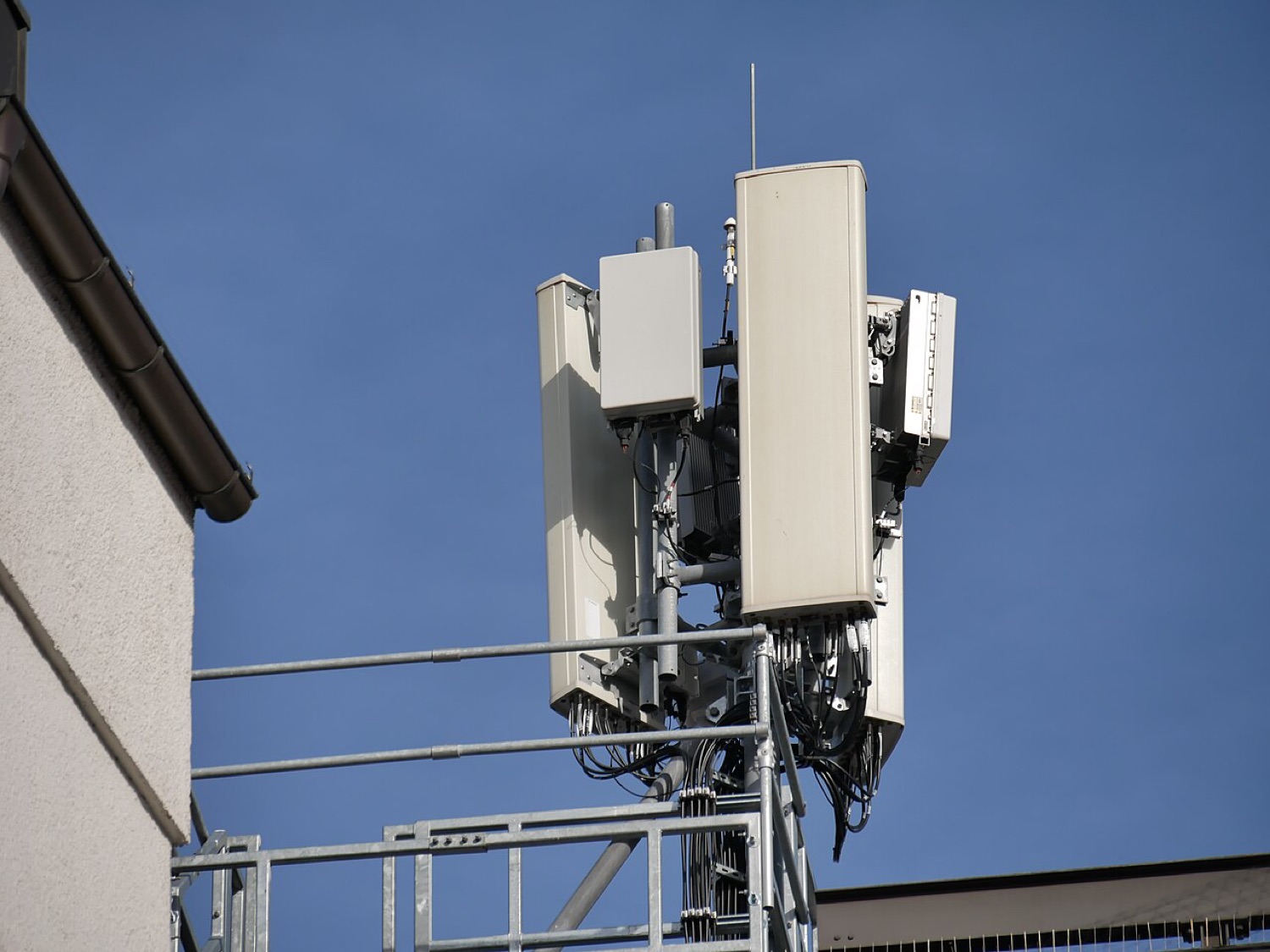
The cheapest way to add capacity to a radio network is to reuse the same spectrum more often, and that means smaller cells. A small cell is a low-power base station with a range of tens or hundreds of meters, usually bolted to a lamp post or a wall. A distributed antenna system does a similar job indoors or in a venue: one set of radios feeds many antennas spread around a building over fiber or coax.
Neither idea was new in 2015, but both became essential once operators accepted that macro towers alone would never serve a packed downtown block. The difficult part turned out to be less radio engineering than permits, power and backhaul. Each small cell still needs a fiber or microwave link, and each lamp post comes with a landlord.
Virtualizing the network
Network functions virtualization, or NFV, set out to replace specialized boxes with software running on ordinary servers. Mobile cores moved first, and most of them are now cloud-native. The radio access network has been slower, although Open RAN efforts have tried to separate radio hardware from baseband software so that operators can mix suppliers.
Wi-Fi: friend or foe?
Wi-Fi calling arrived on mainstream phones around the time of the iPhone 6, and operators feared they would lose control of the voice experience. In practice the two technologies settled into a truce. Phones hand off between them constantly, and indoor traffic often leaves the cellular network altogether. If a carrier has any complaint today, it is that most of the data its customers use at home never touches its radio network at all.
The 5G that actually arrived
The first full 5G standard came with 3GPP Release 15 in 2018, and commercial launches followed within a year or so. Mid-band spectrum did most of the useful work, because it balances range against capacity. Millimeter wave proved impressive in stadiums and disappointing nearly everywhere else.
The strictest test of all this comes from applications that punish delay. Live video is one, and in-play sports betting is another: a wager placed on a phone in the stands has to beat the next play, and a slow uplink can mean a rejected bet. We look at that race in more detail in our piece on latency and in-play odds.
Low-power IoT networks
A quieter branch of the same story concerns devices that send a few bytes a day. Long-range, low-power options such as LoRa and Sigfox emerged outside the cellular world, and the industry answered with LTE-M and NB-IoT. Forecasts in 2015 often spoke of 50 billion connected devices by 2020. The real figure came in far below that, yet the sensor networks that did get built now read meters and track pallets with very little fuss.
More from the Journal


