TRACK 3
Network Infrastructure for a Data-Centric World
Service Provider Transformation, Big Data and Virtualization, CDNs, Edge Computing and Energy-Efficient Data Centers
Published May 31, 2026
Behind every app and every video sits a physical network that nobody thinks about until it breaks. Data moves packet by packet from server to server, data center to data center, country to country. Operators, content providers and enterprises all depend on that web of buildings, fiber and platforms. This page covers the same ground as the original infrastructure track:
- The enterprise cloud
- Content delivery networks and edge computing
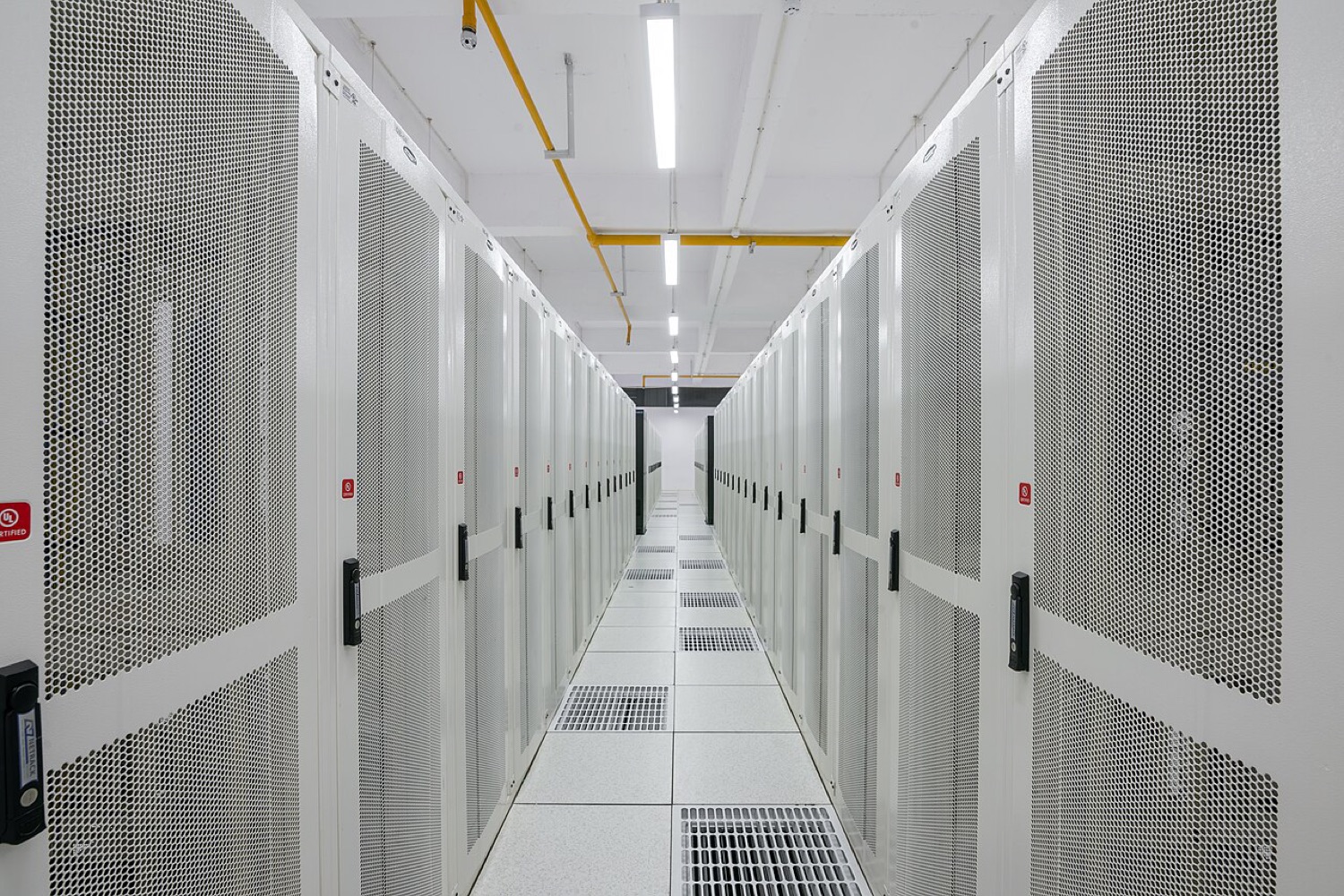
- Energy-efficient data center design
- Software-defined networks and virtualization
- Big data platforms
The enterprise cloud
In 2015 many large companies still treated public cloud as an experiment. Today most run a hybrid mix, with some workloads kept close for reasons of cost, regulation or latency. That shift changed traffic patterns too. Corporate data once flowed to a head office; now it flows to a handful of cloud regions, which is why private interconnects and cloud on-ramps have become ordinary products.
CDNs and the edge
A content delivery network keeps copies of popular content close to the people who want it. Video drove the early growth, and streaming still accounts for a very large share of downstream traffic. Edge computing extends the same logic from storing data to processing it, placing small sites near users so that an application can answer in a few milliseconds.
Live, two-way video makes the hardest case. A football stream that runs thirty seconds behind is merely annoying, but a live-dealer roulette table cannot work that way, because players have to place chips before the wheel spins. That is why online casino studios have moved away from conventional streaming stacks, as our article on live-dealer streaming explains.
The energy question
Data centers measure efficiency with PUE, or power usage effectiveness: total facility power divided by the power that reaches the IT equipment. A value of 1.0 would be perfect. The largest modern sites report figures close to 1.1, while the industry average has stayed noticeably higher. Better cooling has done much of the work so far, and the arrival of power-hungry AI hardware has pushed liquid cooling from the fringes into the mainstream.
Service provider transformation
Operators have spent years trying to run their networks more like cloud companies, with automation in place of truck rolls and software in place of dedicated appliances. Results have been uneven. The technical side is largely solved; changing the procurement habits and organization charts of a century-old industry has taken longer.
Big data, then and now
The big data platforms of 2015 revolved around Hadoop clusters and a lot of optimism. Many of those clusters have since been replaced by cloud warehouses and streaming pipelines, but the underlying point stands. Networks now generate more telemetry than any team can read, so the operators that use it well can spot failing equipment before customers notice.
More from the Journal


