October 6, 2026 | Casino Tech
Why Latency Decides In-Play Betting
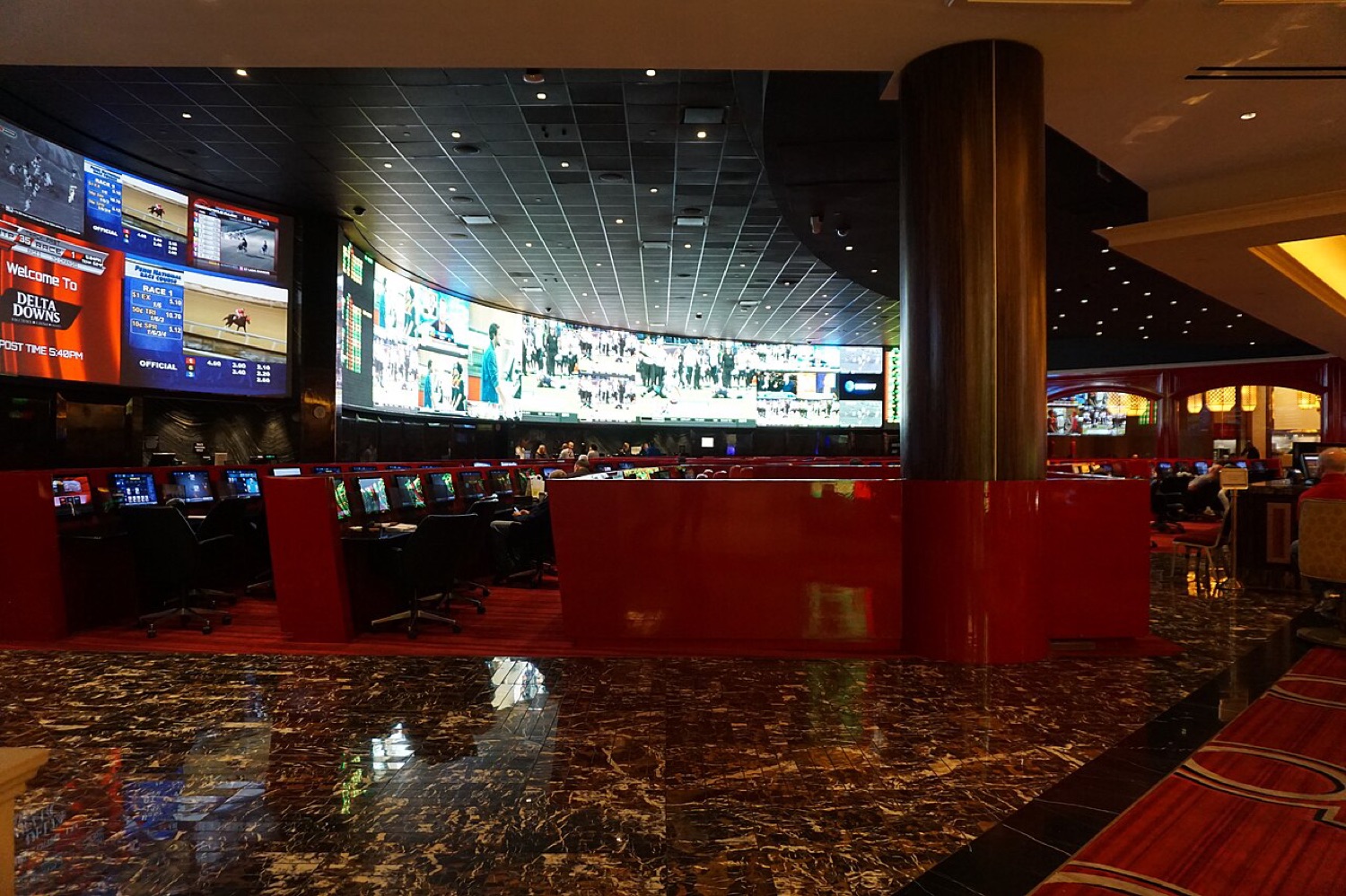
In-play betting has grown into the largest part of the online sports wagering market in many countries. It is also, at heart, a networking problem. A price is only valid for as long as nothing has happened on the field, so the entire system is a race between the event, the data, the bookmaker and the customer's phone.
From the pitch to the price
The chain begins with a person or a camera system at the venue, logging each event as it happens. Scouts at the ground often use a dedicated handset, and many sports now also use automated tracking. That feed goes to a data supplier, which passes it to trading models at the sportsbook. Those models recalculate the odds and publish new prices through a content network to apps and websites. A good pipeline does all of this in a second or two, though the exact figure varies with the sport and the supplier.
The three clocks
- The stadium clock: what is really happening right now.
- The data clock: what the sportsbook knows, a moment later.
- The broadcast clock: what the viewer sees. A digital television or streaming feed can lag by many seconds, sometimes by half a minute or more.
The gap between those clocks is where the trouble lies. Anyone with a faster view of the game has an advantage over the price, and "courtsiding", in which someone in the stands sends results ahead of the official feed, has caused real disputes in tennis. Bookmakers defend themselves with a bet delay: after you tap, the system holds your wager for a few seconds. If something significant happened in that window, the bet is rejected or re-priced.
What the network contributes
Every extra hop eats into the margin. Mobile radio networks add a variable delay, especially on a crowded cell. Content networks help with pushing prices out, but a bet coming back is a transaction that has to reach a central system, get checked against the customer's balance and the current price, and be confirmed. Many platforms use persistent connections such as WebSockets, which keep prices flowing without repeated requests.
Peak moments are what test the design. A late goal in a major match can send a huge number of customers to the same few markets within a few seconds. Systems have to shed load gracefully, because a sportsbook that goes down during the biggest moment of the season loses money and trust together.
Will 5G and the edge help?
Lower-latency radio helps, but the radio is only part of the journey. Placing pricing or bet-acceptance systems closer to customers, inside a state or even at a stadium, could cut the delay further. Regulation already pushes in that direction, since many US states require core betting systems to sit within their borders. For more on the venue itself, see our Stadium Tour.
A healthy skepticism
Faster systems do not change the underlying math, and the margin stays built into the price. Their real effect is to let a bookmaker offer more markets, stay open during more of the game, and suspend betting for fewer seconds. For the customer, the visible improvement is simple: fewer rejected bets and fewer spinning wheels.
More from the Journal


