August 19, 2026 | Casino Tech
How a Lottery Terminal Network Works
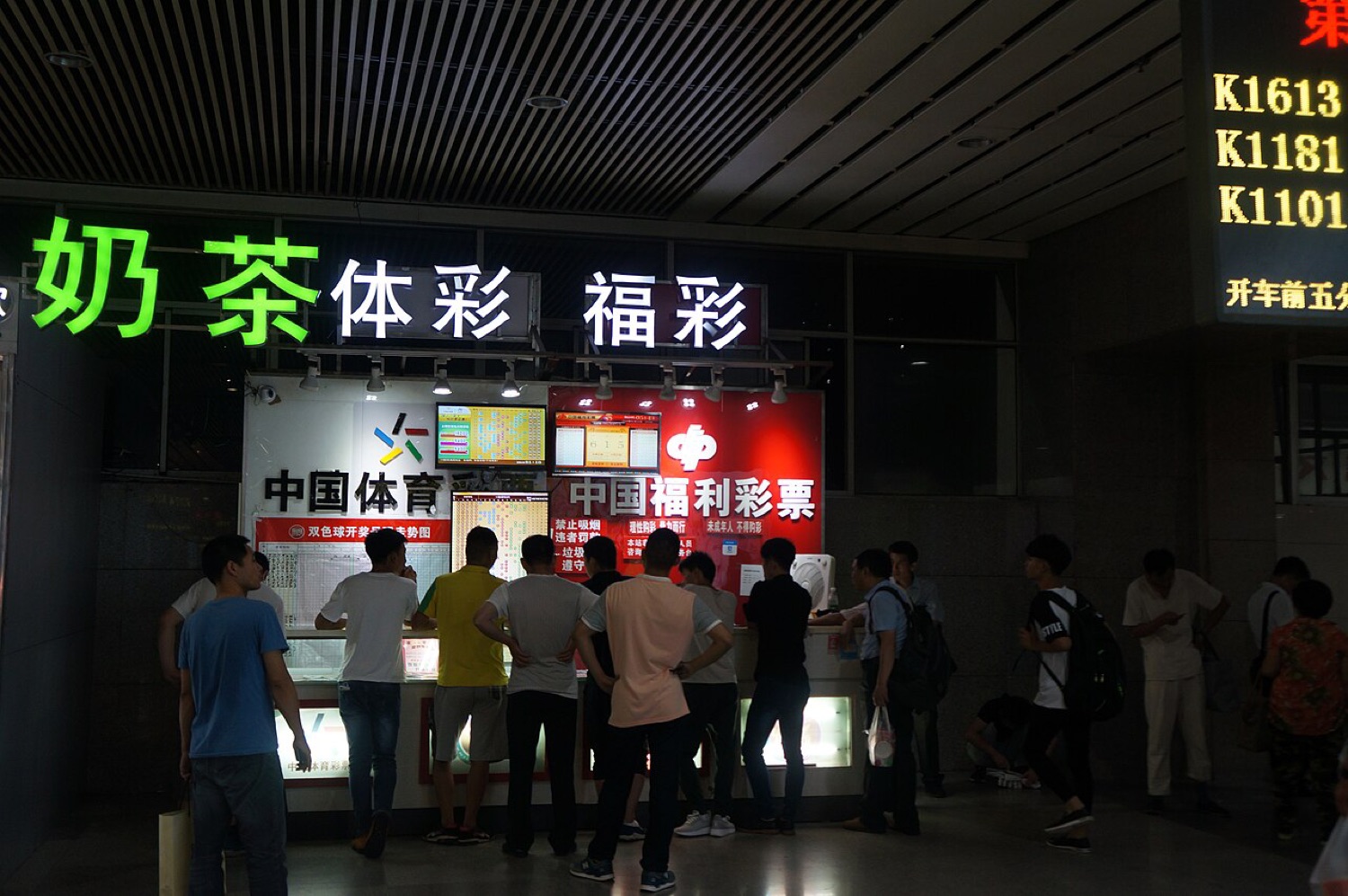
Lottery networks do not get much attention from telecom writers, which is a pity. Few other retail systems have to handle so many small transactions, from so many locations, with so little tolerance for error. Every ticket has to be recorded centrally before it is printed, and a single disputed ticket could turn into a very expensive problem.
The terminal
A retail lottery terminal is a specialized computer with a ticket printer, a scanner and a screen for the operator, plus in many cases a display for the customer. When a clerk sells a ticket, the terminal does not simply print one. It sends the numbers to a central system, waits for confirmation, and only then prints a ticket with a unique serial number. Claims work the same way in reverse, with the scanned barcode checked against the central record.
A short history of the links
Early online lotteries used dial-up modems and leased lines. Many later moved to satellite (VSAT) networks, which offered a single provider and consistent reach, even for rural shops. Today, a combination of wired broadband and cellular connections is more common, usually with one acting as a backup for the other. All of this runs over private circuits or encrypted tunnels, and lottery systems stay strictly separate from public internet traffic wherever possible.
Jackpot nights
The traffic shape of a lottery is unusual. Sales run at a modest pace most of the time, then surge in the last hours before a draw, especially when a large jackpot has been in the news. The multi-state games in the US, Powerball and Mega Millions, can see sales rates many times above normal when jackpots reach record levels. Systems must be sized for those rare peaks rather than the daily average, which is a familiar problem to anyone who has planned capacity for a stadium.
Closing the books
Each game has a hard cutoff shortly before the draw. At that moment, sales must stop everywhere at once, and the set of valid tickets is sealed so that it can be audited. Independent auditors and regulators typically hold a copy of the data. Draws themselves may use mechanical ball machines or certified random number generators, and in either case the sealed record is what guarantees that nobody could add a ticket once the winning numbers are known.
Security in layers
- Terminals authenticate to the network and run locked-down software.
- Traffic is encrypted, and central systems are typically run in redundant data centers.
- Independent testing laboratories certify the games and random number systems.
- Transaction logs are designed to be tamper-evident and available for audit.
From corner shop to phone
A growing number of jurisdictions now also sell tickets online, so a lottery's systems may have to handle app traffic along with its retail estate. That brings in identity checks and geolocation, the same issues that sportsbooks face. The basic principle, however, has not changed since the leased-line era: no ticket exists until the center says it does.
More from the Journal


