July 10, 2026 | Keynotes
Fiber Is Still the Real Network of the Future
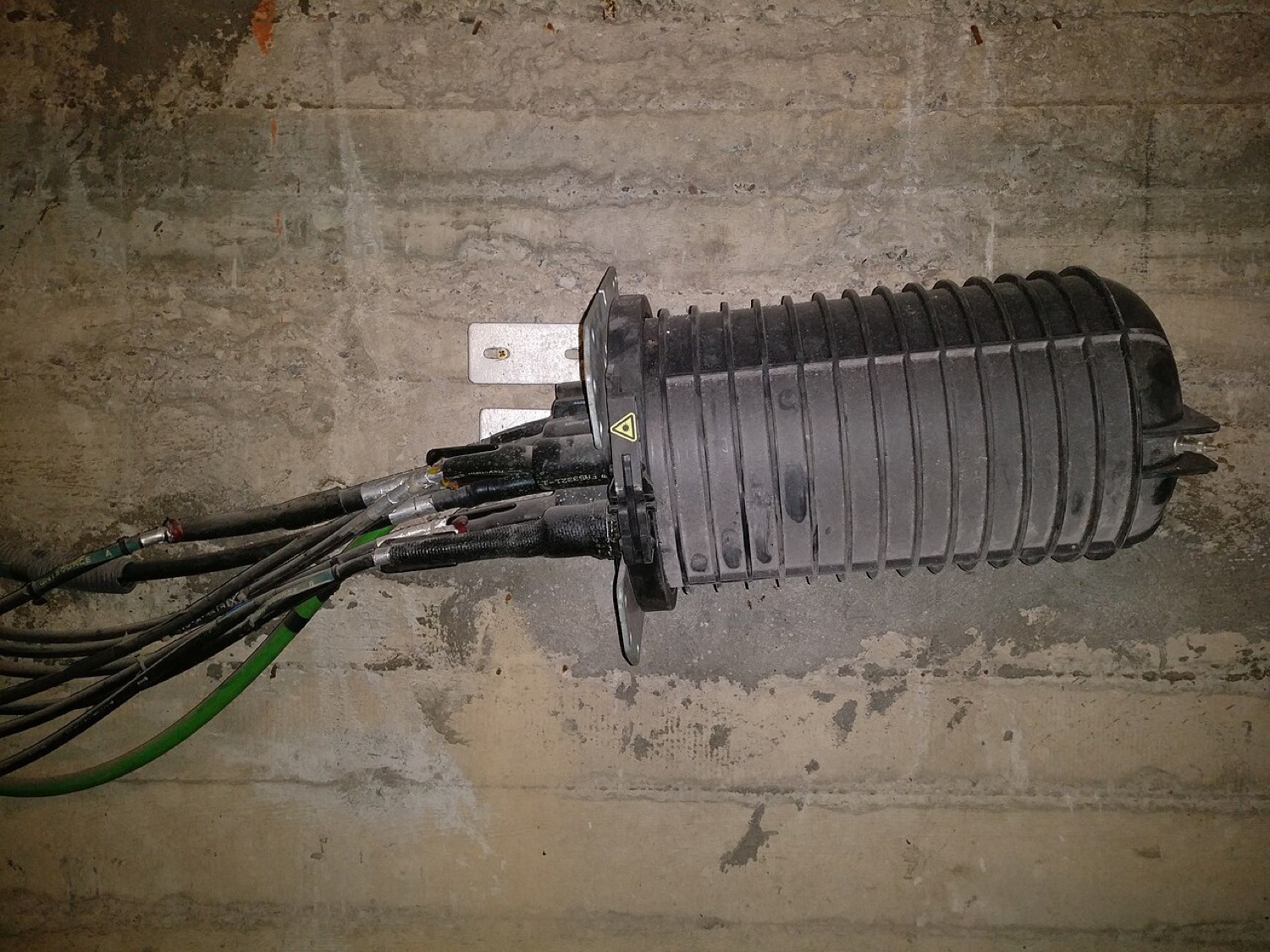
Ask people to picture the network of the future and most will picture a phone, an antenna or perhaps a satellite. Ask an engineer and you are more likely to hear about glass. Almost every wireless connection is wireless for only the first few hundred meters. After that it rides on fiber.
Why glass keeps winning
An optical fiber carries data as pulses of light through a strand about as thick as a human hair. New equipment at each end can raise the capacity of an existing strand many times over, without anyone digging up the street. Few other kinds of infrastructure improve so dramatically with so little disturbance. Copper reached its practical limits long ago, and radio is always limited by the spectrum available. Fiber laid in the 1990s is still in service, carrying thousands of times what it was first asked to carry.
5G made the need bigger
The move to denser mobile networks increased the need for fiber. Every small cell needs a high-capacity link, and the shift toward centralized radio processing demands even more of it. That is one reason mobile operators have been buying fiber companies. The same logic applies to data centers, where short optical links now connect racks of AI hardware at speeds that were science fiction in 2015.
The last mile
Fiber to the home is where the economics get hard. Most of the cost is in labor, permits and trenching, not in the glass itself. Some countries, notably in East Asia and parts of Europe, pushed ahead early and have very high fiber coverage. In the United States the 2021 infrastructure law set aside more than $42 billion for the BEAD broadband program, although the rules around it have been argued over and rewritten ever since.
A short guide to the trade-offs
| Technology | Strength | Weak point |
|---|---|---|
| Fiber | Capacity and long life | Cost of digging |
| Fixed wireless | Fast to deploy | Shared, spectrum-limited |
| Cable (HFC) | Already in place | Lower upstream speeds |
| Low-orbit satellite | Reaches remote areas | Limited capacity per area |
A slow, sure thing
Fiber rarely makes a thrilling story. The money is patient, the payback runs to decades, and the work is mostly people in vests beside a hole in the road. Investors tend to see it as the opposite of a long shot: a low-risk, low-odds position that pays out over a very long time. For a closer look at the part of the network that crosses oceans, read The Cables Under the Sea.
More from the Journal


